About Switzerland
Local Info
About Switzerland
Swiss history traditionally begins in 1291, when three alpine communities formed an alliance for mutual defence. The modern federal state was founded in 1848, with Bern serving as its federal city. Today, Switzerland is known for its direct democracy, in which citizens vote on national issues several times a year, and its federal structure of 26 cantons with considerable autonomy. Geneva hosts many international organisations, including the World Health Organization.
The country has four national languages: German, French, Italian and Romansh. Around a quarter of residents are foreign nationals, which makes Swiss society notably multilingual and multicultural.
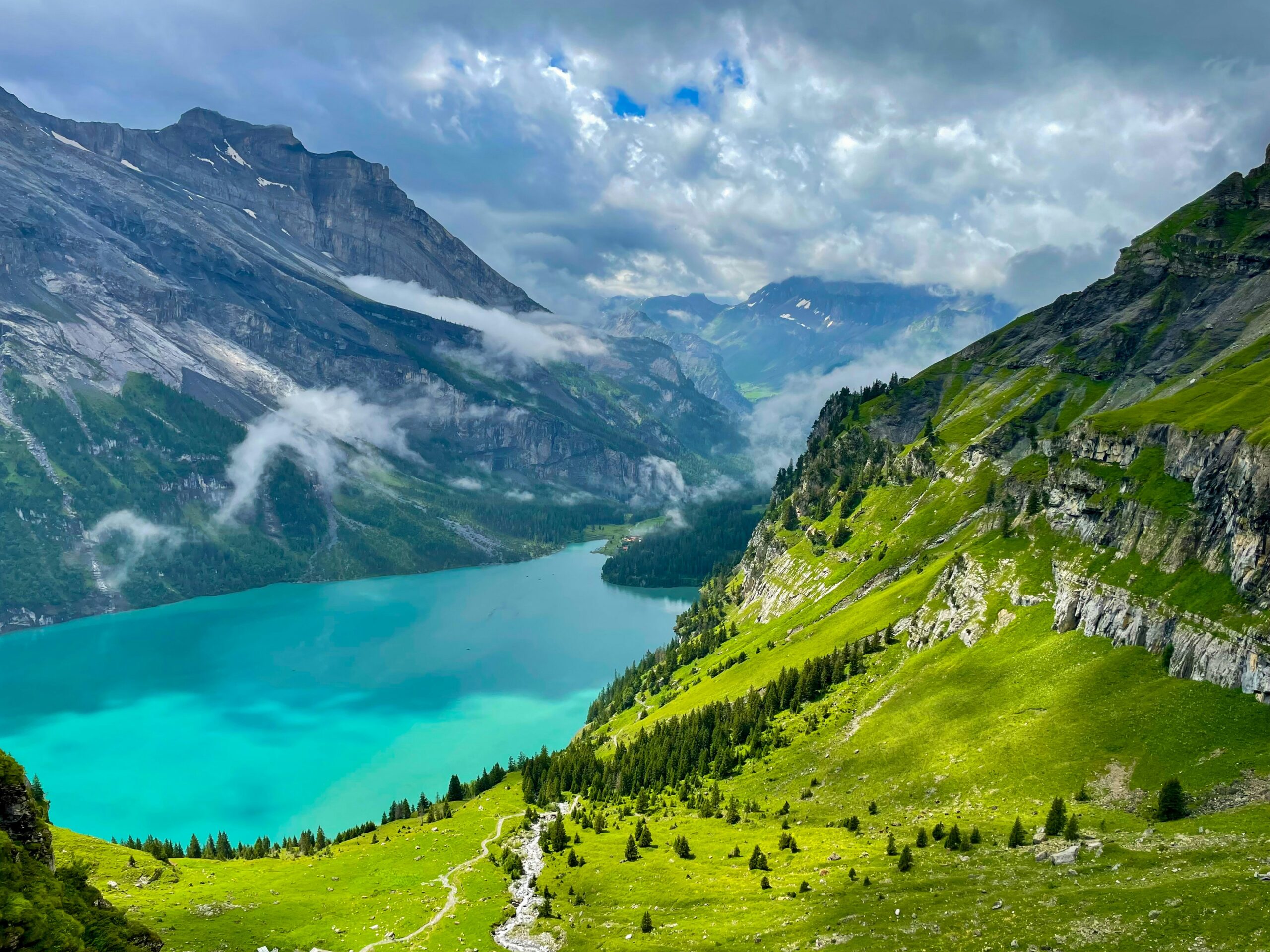
Photo: Unsplash
41,285 km²
Total area
4,634 m
Dufourspitze, the highest peak
~1,500
Lakes
26
Cantons
4
National languages
Get inspired
Discover Switzerland
01
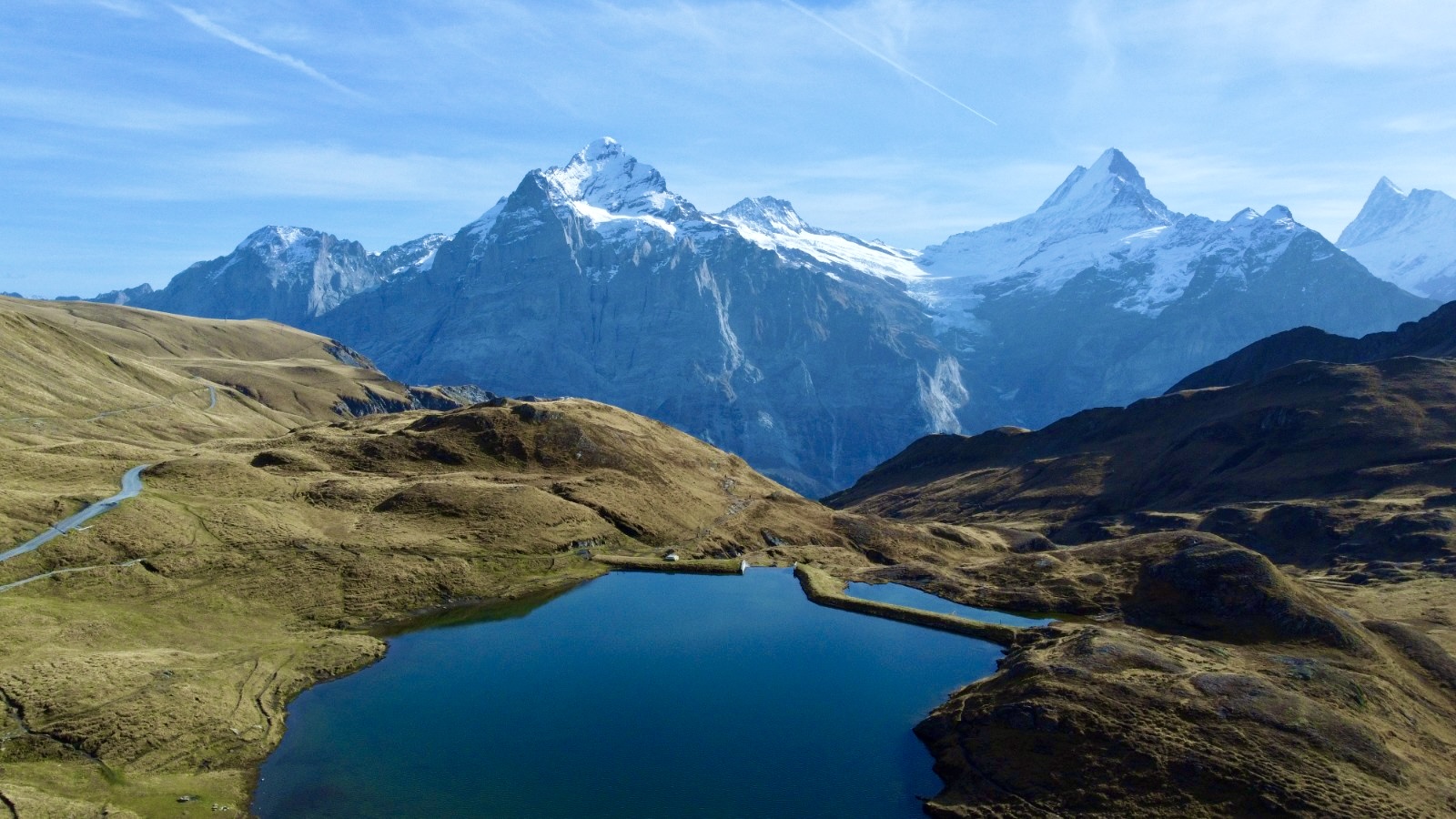
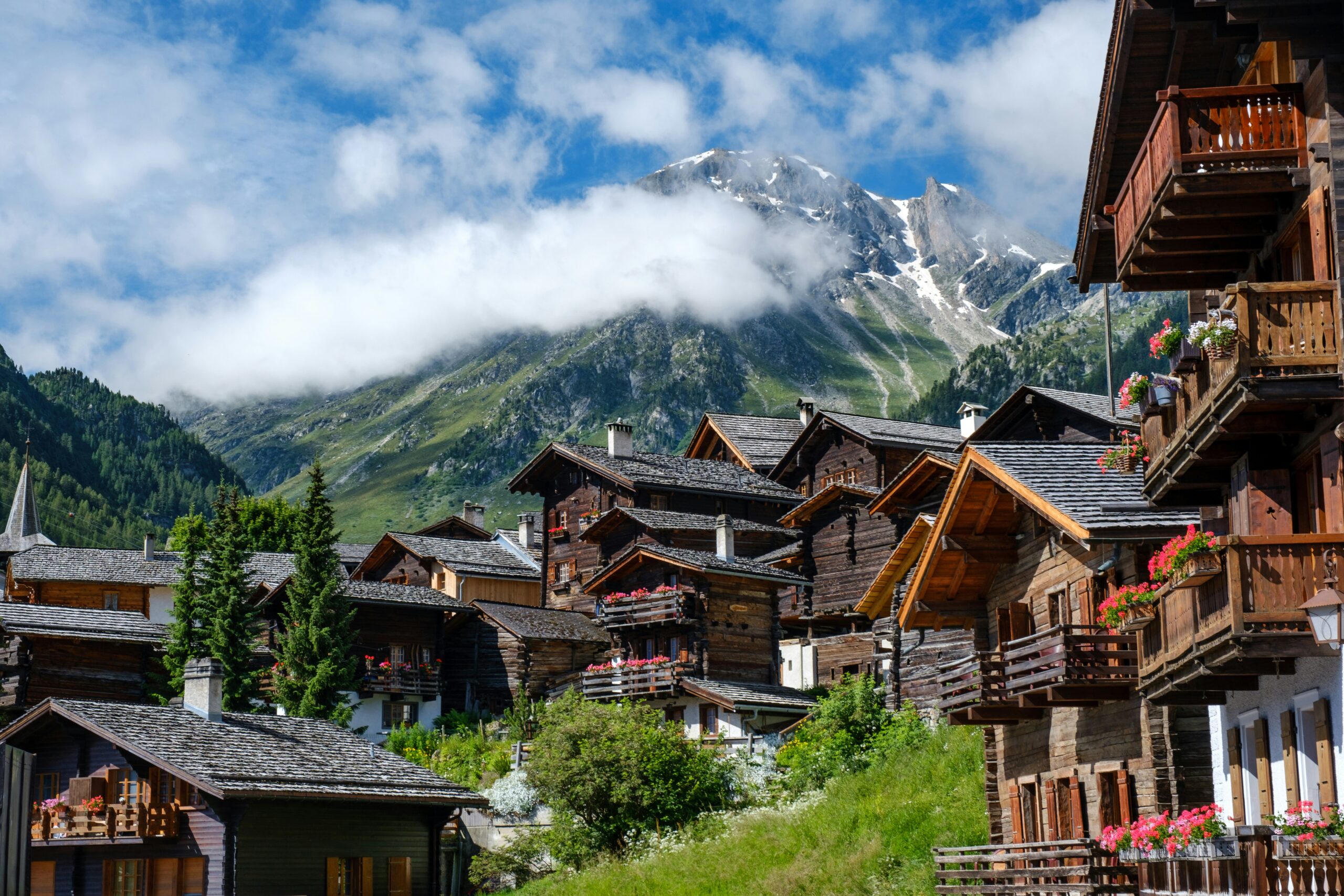
The Bernese Oberland
Discover iconic Alpine landscapes, mountain villages, lakes and regional highlights around Interlaken, Lauterbrunnen and Grindelwald.
02 · Photo: Welcome Bern
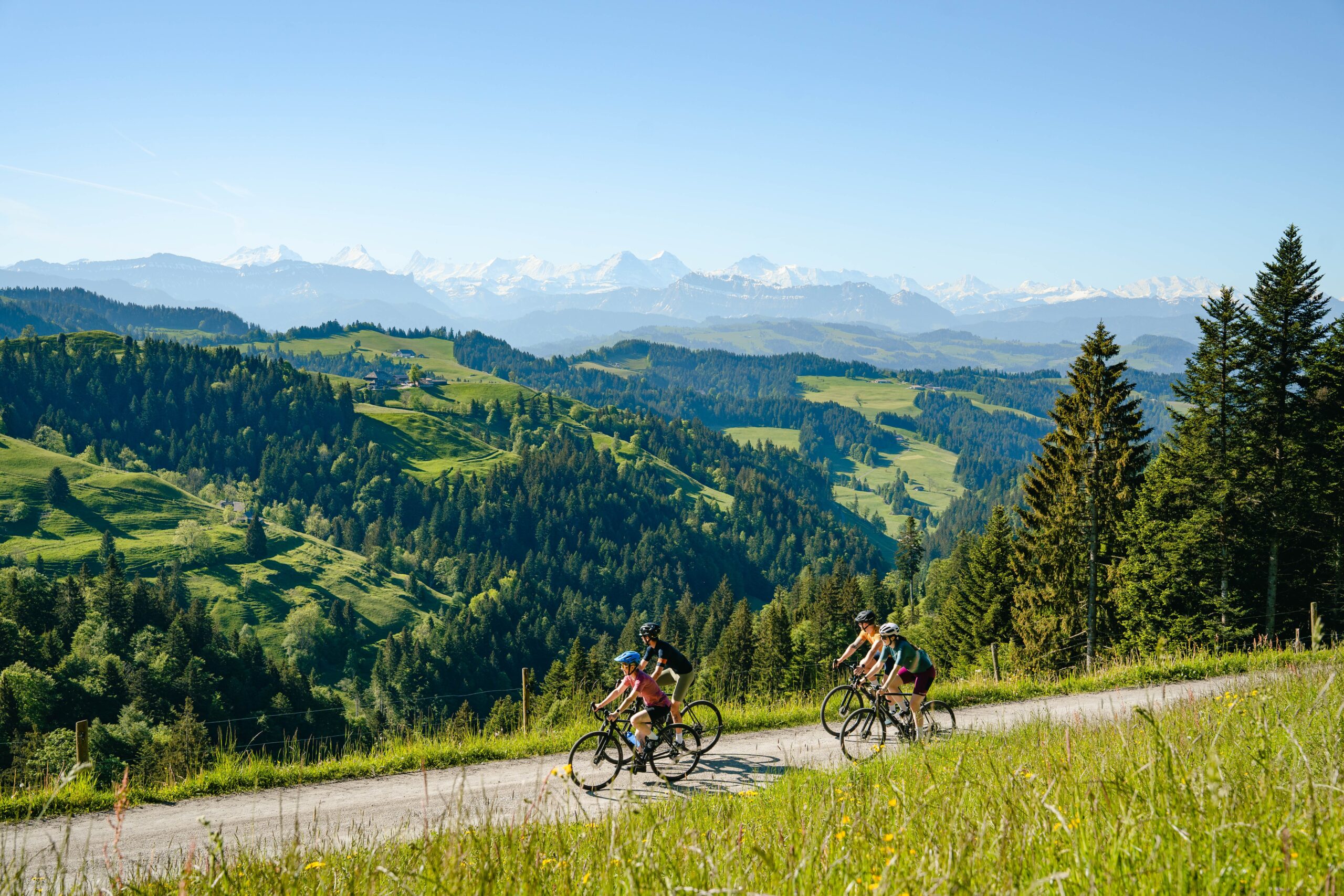
Hiking and Outdoor Adventures
Find inspiration for mountain hikes, scenic trails and outdoor activities in the Bernese Oberland and beyond.
03 · Photo: Unsplash
Summer Destinations
Explore lakes, mountain excursions, scenic rail journeys and other ideas for summer trips across Switzerland.
04 · Photo: Welcome Bern
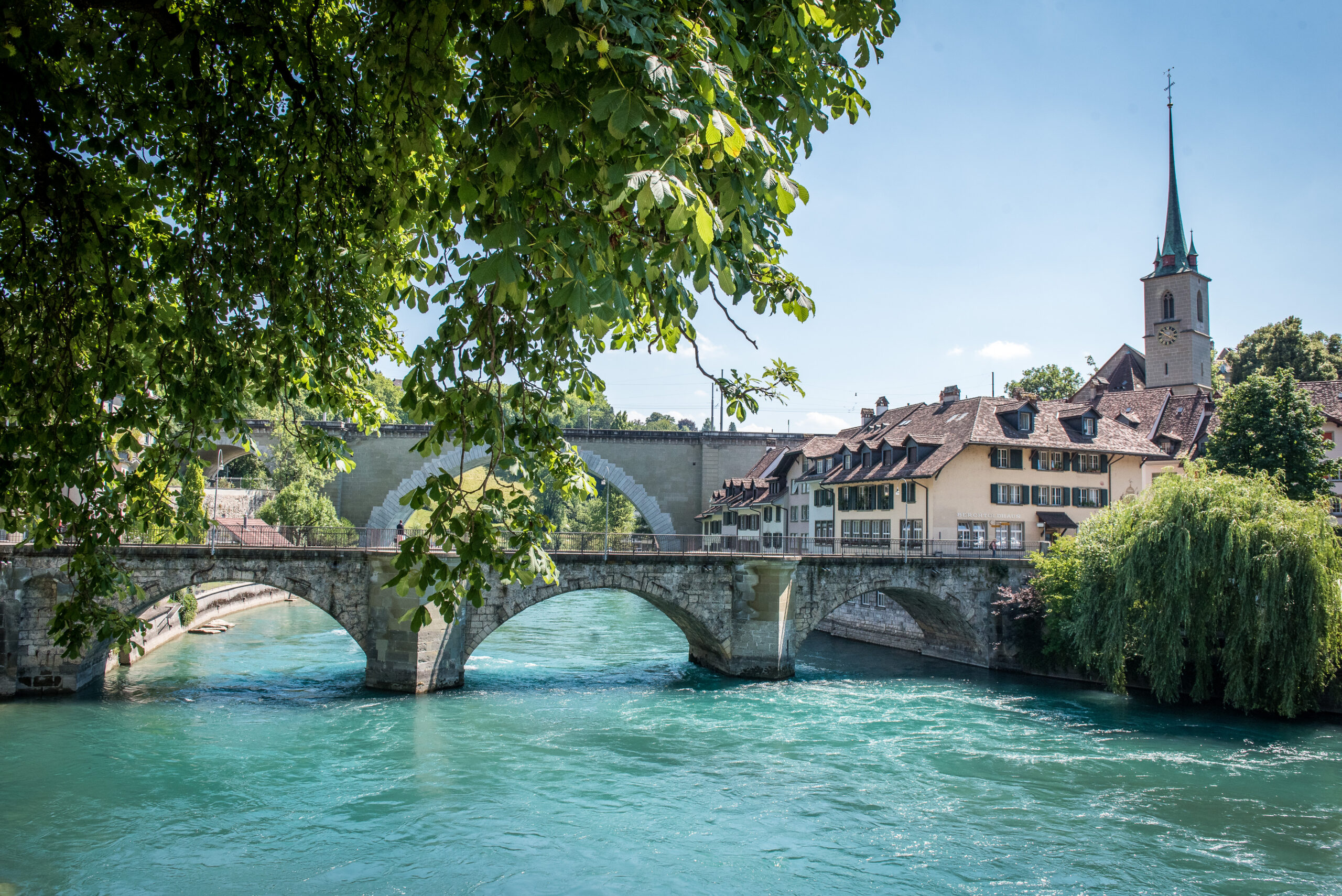
Swiss Cities and Culture
Discover historic old towns, museums, local food and cultural attractions in Swiss cities, from Bern to Zurich and beyond.
For personal tips from the Team stay tuned!
Public transport
Getting Around in Switzerland
If you are planning to visit Switzerland before or after the conference, the best ticket option depends on your itinerary, how often you plan to travel, and whether you want to explore the whole country or mainly the Bernese Oberland.
You can check routes, timetables and ticket prices on SBB, the Swiss national railway website, or download the SBB App App to check connections and purchase in-app tickets. Prices and conditions can change, so please check the relevant provider before booking.
A few tips before you book
1Book early where possible: Prices for Saver Day Passes and Supersaver Tickets can be particularly attractive when purchased in advance.
2Compare prices: A Saver Day Pass or individual ticket may be cheaper than a travel pass for a short excursion.
3Check what is included: Mountain railways and cable cars may have different coverage or require an additional payment, depending on the ticket or pass.
Standard tickets (Point-to-Point Tickets)
For individual journeys, you can purchase standard point-to-point tickets for a single or return trip between two destinations. These are a straightforward option, typically valid for a specific date, if you are planning only a few journeys close to the conference location. Depending on your itinerary, however, one of the discounted tickets or travel passes below may offer better value.
1. Day Trips
If you are on a budget or planning just one or two excursions, you usually do not need a comprehensive travel pass. These options can be more economical, depending on your destination and itinerary.
Saver Day Pass
Provides unlimited travel within all of Switzerland for one particular day. Prices vary depending on availability, so purchasing in advance (up to six months) is recommended.
Best for: A full day of extensive travel around Switzerland.
Supersaver Tickets
For a single planned journey, Supersaver Tickets can offer discounts of up to 50%. They are generally valid only for the connection booked, so they are best suited to journeys you can plan in advance.
Best for: A specific journey that can be planned in advance.
2. Longer Stays and Exploring Switzerland
If you plan to travel for several days before or after the conference, a travel pass may offer greater convenience and value. These options are particularly useful if you want to visit multiple regions or combine cities, lakes and mountain destinations. It is available for 3, 4, 6, 8 or more (consecutive) days.
Swiss Travel Pass / Swiss Travel Pass Flex
Both passes offer unlimited travel on trains, buses and boats throughout Switzerland, as well as access to many museums and discounts or other benefits for selected mountain excursions. The standard Swiss Travel Pass is valid for consecutive days, while the Swiss Travel Pass Flex allows you to choose your travel days individually within a one-month period.
Best for: Exploring different parts of Switzerland over several days, whether consecutively or spread across a longer stay.
Find out more about the Swiss Travel Pass and Swiss Travel Pass Flex →
Berner Oberland Pass
Similar to the Swiss Travel Pass, this regional pass offers convenient travel over several consecutive days, but focuses on the Bernese Oberland.
Best for: Several excursions to destinations such as Interlaken, Lauterbrunnen, Grindelwald and Mürren.
Swiss Half Fare Card
Valid for one month, this card allows international visitors to purchase many Swiss public transport tickets at up to 50% off. You still need to buy tickets for each journey, so whether it saves money depends on how much you travel.
Best for: A longer stay with several individual journeys, particularly if you do not need unlimited travel every day.
3. Combining Your Conference Visit with Travel Across Europe
If you are travelling to Switzerland by train from another European country and plan to explore other countries before or after the conference, the Interrail Global Pass may be an interesting option. It allows travel on participating train networks across more than 30 European countries, including Switzerland. Different pass options are available, offering a set number of travel days within a longer period or unlimited travel on consecutive days. Please note that seat reservations may be required for certain international trains and usually involve additional costs.
Best for: Participants combining their conference visit with a longer train journey through Europe.